Beginner's Guide to Reading Avalanche Bulletins for Non-Skiers
Avalanche bulletins aren't just for skiers. Here's how to read the danger rating, elevation bands, slope...

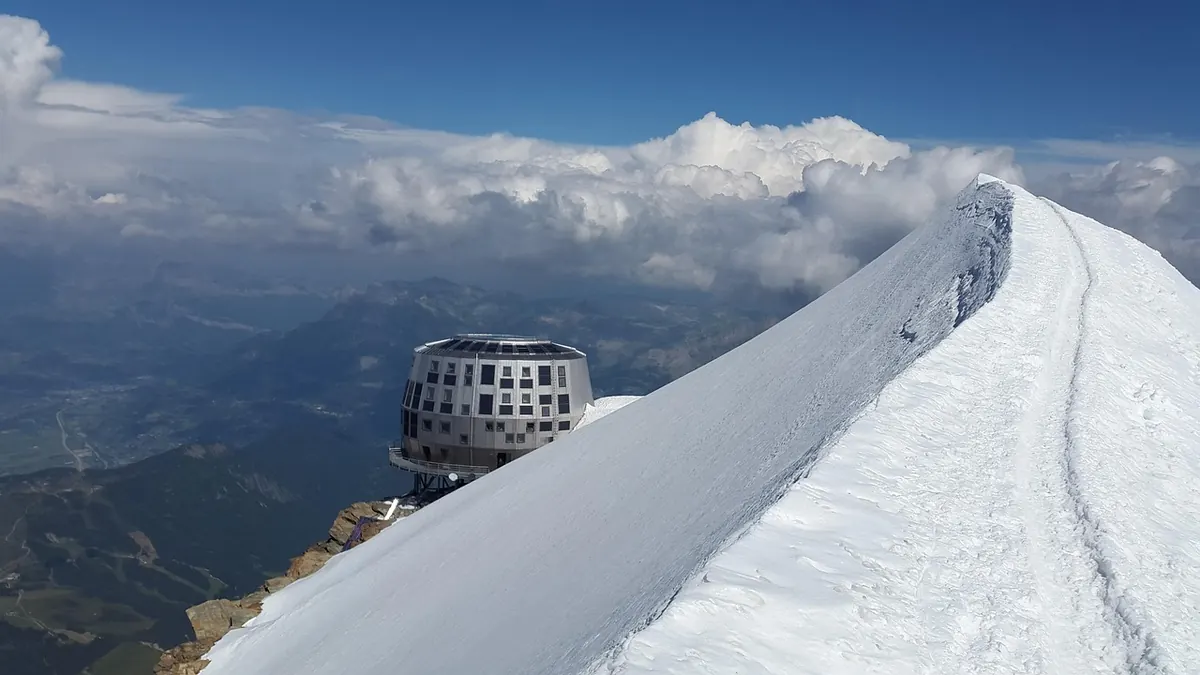
The forecast had promised snow above 1,800 metres, which is the sort of promise the Alps often keep with interest. By the time I reached the last stretch of switchbacks, the cloud had dropped below the ridgeline and the path had narrowed to a ribbon of boot-packed white between rocks. I had left the valley in weak afternoon sun; twenty minutes later, I was walking inside a grey sock. The refuge appeared as a low shape with one lit window, snow already banked against the door. I was later than I liked, earlier than I feared, and glad to see smoke.
The last hour was not dramatic. It was a lesson in small decisions. The wind had begun to work at the exposed sections, lifting loose snow and pushing it across the track in thin curtains. My tracks from a previous switchback disappeared within minutes. I stopped to add a layer before I got cold, rather than after, and pulled the hood of my shell tight around my face. The light was flat enough that depth became guesswork; I tested each step with my poles and kept to the edge of the path where the ground felt firmer.
I had checked the refuge’s opening dates before leaving and knew there was a winter room if the main hut was unstaffed. That knowledge changes the way you walk. It does not make a late arrival sensible, but it makes the decision to turn back less frightening. I had also told someone in the valley where I was going and when I expected to be out of signal. Those small preparations were not heroic. They were the reason I could enjoy the last climb instead of arguing with it.
When the refuge finally showed itself, it was less a building than a promise: stone walls, shutters, a bench buried to its seat, and a lamp above the door. The snow was falling steadily now, not heavily, but with the patience of weather that intends to stay.
The first thing that happens at a mountain refuge is not a greeting. It is the boot room. I stamped the snow from my gaiters, unclipped my pack, and sat on the bench to wrestle with frozen laces. The door opened into a small entry filled with the smell of wet wool and woodsmoke. A hand-lettered sign asked for boots off and quiet in the dormitory. I was happy to obey both.
The warden appeared from the kitchen with a cloth over one shoulder and looked at the snow on my shoulders, then at the clock. There was no lecture, only a nod toward the drying room and a gesture at the guestbook. I wrote my name, the route I had come by, and the time. The page was a record of small arrivals: two skiers, a couple with snowshoes, someone who had come up from the valley earlier and was already asleep.
Refuge life runs on a few simple rituals. They are worth knowing before you arrive.
Outside, the weather had closed the window completely. Inside, the stove ticked and the drying room began to steam. I changed into dry wool, hung my shell on a hook, and felt the day shrink to the size of the room.
Communal dinner is the heart of a refuge night. There were six of us at the long table: two ski tourers, a father and daughter on snowshoes, the warden, and me. The menu was simple and better for it: a thick soup with bread, a tray of polenta, cheese, and a jar of preserves. The warden served from a single pot and left the bread within reach. No one asked for anything else.
The conversation moved the way it does in huts. We talked about the route up, the snow line, the wind that had picked up at dusk. The ski tourers had turned back from a col because the visibility had gone. The father and daughter had taken a lower path and arrived with cold hands and good humour. I described the last switchback and the disappearing tracks. Everyone nodded. In a refuge, a weather report is not small talk; it is information.
By the time the plates were cleared, the storm had settled into a steady rhythm against the shutters. The windows were black. The lamp above the table made a small circle of yellow light, and beyond it the room felt larger and darker than it was. I have eaten in busier huts and in smarter restaurants, but few meals have felt as earned as that one.
Evening in a snowbound refuge has its own tempo. Someone found a pack of cards. The warden lit a second lamp and then, after a while, turned it down. The stove was banked for the night. We filled water bottles, set headlamps by our bunks, and made the last trip to the drying room.
Then the building took over. Snow slid from the roof in soft thumps. The wind pressed at a corner of the shutters and withdrew. A beam creaked. In the dormitory, someone turned over in a sleeping bag, and someone else whispered a goodnight. I put in earplugs, not because the hut was loud, but because shared sleep is easier with a little distance. The storm did the rest.
I woke once in the night. The window had paled slightly, or perhaps my eyes had adjusted. The snow was still falling. I could hear it more than see it, a fine hiss against the glass. I checked the time, decided it was not morning, and slept again.
Morning came without drama. The wind had dropped. The first light was not a blaze but a slow grey turning to silver, and then a thin band of gold on the far ridge. New snow had smoothed the bench outside, filled the tracks from the day before, and softened the edges of the path. The world looked simpler and more serious.
The warden had coffee ready and bread on the table. We stood at the window with cups in hand, doing the calculations that every winter morning requires: how much snow had fallen, how the surface would feel underfoot, whether the route down would be safer in the cold or after the sun had touched it. The ski tourers left first, skins on, moving slowly. The father and daughter followed the lower path. I packed my bunk, swept the floor, and checked the drying room for a forgotten glove.
The descent took longer than the climb. New snow hides the shape of the ground, and the path that had felt obvious in the flat light of evening was now a set of choices. I kept my poles short, stepped lightly, and stopped often to look back at the refuge. By midday it was a small dark square on a white slope, already farther away than it had felt at dinner.
A night in a winter refuge is simple, but it is not casual. A few preparations make the difference between a story you enjoy telling and one you endure.
If conditions are uncertain, choose a lower route or turn back. The refuge will still be there. The morning light is worth waiting for, but only if you have made the decisions that let you see it.
Photo: Simon / Pixabay
Avalanche bulletins aren't just for skiers. Here's how to read the danger rating, elevation bands, slope...
Early-season snow reshapes Alpine village life fast — road crews, seasonal jobs, water reserves and old...
A practical guide to picking winter boots for icy, slushy alpine village streets — grip, insulation,...